How the anion gap Assesses
The anion gap serves as a useful way to identify extra ions in the blood and to support acid-base balance during a medical workup. This is usually derived from serum electrolytes, mainly serum sodium, serum chloride, and serum bicarbonate. As these values shift in predictable ways, the anion gap can highlight a hidden metabolic disturbance that would otherwise be missed on a basic chemistry panel.
In clinical practice, clinicians use the anion gap as a diagnostic marker for acid accumulation. A above-normal value suggests that unmeasured acids are present in excess, often suggesting metabolic acidosis. This makes the calculation especially useful as an interpretation guide when reviewing an ill patient, a lab screening result, or a suspected electrolyte imbalance.
The basic anion gap formula typically deducts chloride and bicarbonate from sodium. Some versions also include potassium, but the most widely used approach excludes it for simplicity and consistency. An anion gap calculator automates this step, helping clinicians quickly calculate anion gap values and concentrate on the bigger question: what process is driving the abnormality?
Because the calculation is based on measured ions, it is not a complete picture of physiology. Instead, it is a rapid and practical approximation that supports laboratory assessment and more detailed acid-base interpretation. When the result is elevated, it often signals an elevated anion gap state that requires a closer look at renal function, perfusion, toxin exposure, and inherited metabolic disease.
Why Methylmalonic Acidemia Increases the Anion Gap
Methylmalonic acidemia is an organic-acid disorder and an genetic metabolic condition in which the body cannot properly process certain metabolites, leading to the buildup of acidic compounds. That buildup causes acid buildup and commonly results in a high anion gap metabolic acidosis. In this setting, the anion gap becomes a hint to the underlying biochemical problem rather than just a number on a report.
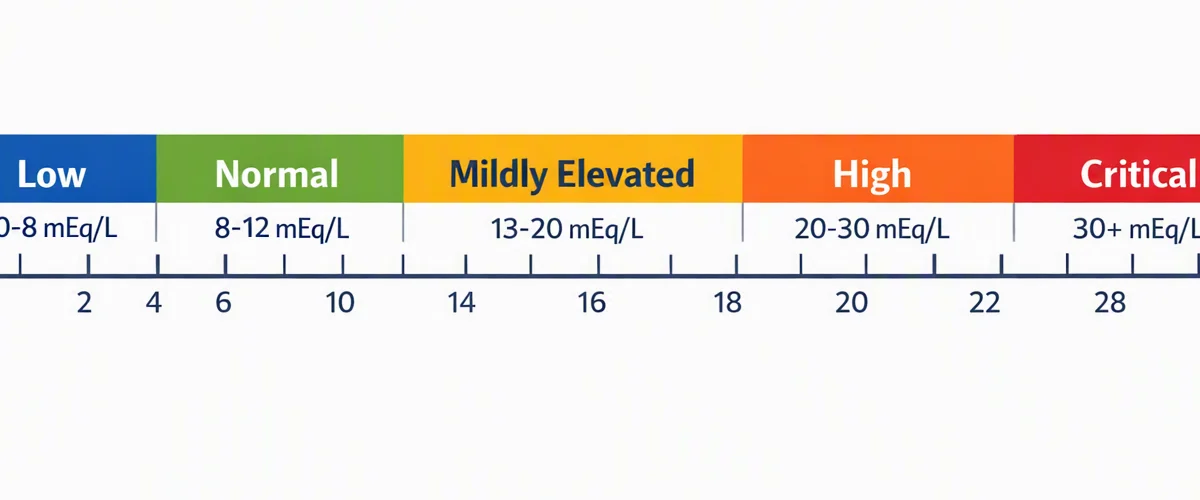
At the core, the issue is that methylmalonic acid along with related compounds build up in the bloodstream. These acids deplete buffering capacity, lower bicarbonate, and add to an excess of unmeasured anions. Consequently, the anion gap often increases alongside the severity of the acid-base disorder. For this reason a calculator can be valuable in detecting the pattern early, especially when the patient is critically ill and the presentation is vague.
Within methylmalonic acidemia, the clinical picture may suggest a metabolic emergency. Patients can show vomiting, poor feeding, lethargy, dehydration, or encephalopathy, and the test results may show an elevated anion gap long before the full diagnosis is confirmed. The biochemical pattern usually reflects accumulation of toxic metabolites, decreased energy metabolism, and secondary systemic stress. This is why an anion gap calculator can be a useful first step in interpretation, but not the final step in diagnosis.
The connection between the derived gap and the disease process is most pronounced when the presentation includes acidosis along with other supportive findings. Even so, the anion gap alone does not confirm methylmalonic acidemia. It acts as a clinical correlation tool that assists clinicians recognize a picture consistent with an organic acid buildup and advance to targeted evaluation.
How to Use an Anion Gap Calculator
To use an anion gap calculator, input the key serum electrolytes: serum sodium, serum chloride, and serum bicarbonate. Many tools also support entry of potassium and albumin. The calculator uses the chosen formula and shows the observed gap, which can then be compared with the expected range for the lab.
With potassium included, the formula may produce a slightly higher value. In many clinical settings, however, potassium is omitted because it contributes less to everyday decision-making and can vary between institutions. The more important step is to recognize whether the result suggests an elevated anion gap and whether that elevation fits the rest of the patient’s picture.
Albumin matters because it is a major unmeasured anion. Low albumin can make the anion gap appear falsely normal or only mildly elevated. That is why many clinicians apply albumin correction to estimate a corrected anion gap. This is especially important in patients with malnutrition, inflammation, liver disease, or prolonged illness, where hypoalbuminemia can mask the degree of acidosis.
A simple ordered approach looks like this:
- Enter the available serum electrolytes into the calculator. Review whether the result indicates a high or normal gap. Check albumin and apply albumin correction if needed. Compare the result with the clinical setting and other labs. Use the number as part of broader acid-base interpretation, not as a standalone answer.
When done correctly, the calculator helps structure the workup and supports a more accurate assessment of acid-base balance. It is most useful when paired with symptoms, kidney function, ketones, lactate, and a blood gas.
Interpreting Elevated Anion Gap Findings
A increased anion gap metabolic acidosis indicates that undetected acids are accumulating. In the evaluation, the main categories include lactic acidosis, ketoacidosis, and toxin exposure. These conditions can coexist with methylmalonic acidemia or hide it, so interpretation should always be clinical rather than strictly formula-based.
Lactic acidosis may occur with poor perfusion, hemodynamic instability, hypoxemia, seizures, or serious disease. It generates excess lactate, which widens the gap. Ketoacidosis occurs in diabetes, prolonged fasting, or starvation states, and the ketone bodies drive the elevated gap. Both can coexist with other metabolic abnormalities, making the final pattern harder to interpret than a single diagnosis.
Toxin exposure should also be taken into account when the gap is high. Salicylates, toxic alcohols, and other poisons may create a substantial acid burden. In suspected ingestion, the anion gap is a useful clue but not the endpoint. Osmolal gap testing, toxicology studies, and serial blood gas data may be needed for a thorough picture.
For methylmalonic acidemia, the key point is that a high anion gap can be a sign of organic acid buildup, but not every elevated gap is caused by an organic acidemia. A structured assessment helps separate the biochemical pattern from the underlying cause. The calculator can identify the abnormality, but interpretation requires the full context of illness severity, nutrition status, renal function, and timing of collection.
Correction of the Anion Gap and Clinical Setting
Uncorrected anion gap values can be deceptive unless the larger acid-base disturbance is taken into account. This is why albumin adjustment becomes relevant. Because albumin is negatively charged, low levels reduce the baseline gap. A patient with substantial acidosis and hypoalbuminemia may therefore show a deceptively normal result unless the value is corrected.
Correcting for albumin improves the utility of the anion gap calculator and makes the number more reflective of true acid burden. This matters especially in critically ill patients, where low albumin is common and physiologic compensation may somewhat offset pH changes. A normal pH does not eliminate acidosis if compensation is present.
That is why blood gas analysis is such an important companion test. A blood gas can verify pH, bicarbonate status, and compensatory respiratory changes. When paired with the corrected gap, it helps define whether the patient has primary metabolic acidosis, a superimposed respiratory process, or a combined acid-base disorder.
Practically speaking, clinicians should avoid interpreting the anion gap in isolation. The most accurate approach integrates albumin, serum chemistry, blood gas analysis, symptoms, and time course. That complete review can differentiate an acute metabolic emergency from a chronic compensated state and can prevent under-recognition of severe disease.
Laboratory Findings in Methylmalonic Acidemia
A number of lab findings support the diagnosis of methylmalonic acidemia. The clearest is an increased level of methylmalonic acid, which reflects the underlying enzymatic block and supports the presence of excess abnormal metabolites. This finding often aligns with a high anion gap state, but the magnitude of the gap can differ depending on hydration, nutrition, and concurrent illness.
Cobalamin deficiency is an important related consideration because vitamin B12 metabolism is tightly linked to methylmalonic acid handling. In some patients, low B12 or impaired cobalamin processing plays a role in the biochemical picture. This is why methylmalonic acidemia and cobalamin-related disorders are often evaluated together during a laboratory assessment.
Ammonia may also be elevated, especially during decompensation. Hyperammonemia can worsen neurologic symptoms and increase the concern for a metabolic crisis. Likewise, ketones may be present as the body shifts toward alternative fuels during stress or inadequate intake. These findings reinforce the suspicion of a serious inherited metabolic disorder.
When all these results are viewed together, the pattern is easier to recognize: elevated methylmalonic acid, possible cobalamin involvement, increased ammonia, and ketosis can accompany a high anion gap. The result is a biochemical pattern that clearly supports further metabolic testing and urgent clinical correlation.
Frequent Possible Diagnoses
A number of illnesses can look like methylmalonic acidemia on initial assessment. Propionic acidemia is one of the key because it is another organic acidemia with shared features, including acidosis, ketosis, and an elevated gap. Separating these conditions usually requires focused biochemical and genetic evaluation rather than a sole electrolyte panel.
Renal failure is another common reason of high anion gap acidosis. When kidney function declines, acids accumulate and unmeasured anions rise. In this setting, the anion gap may be elevated for reasons unrelated to an inborn error of metabolism, so renal markers and the overall clinical context are important.
Sepsis can also create a high-gap picture through lactic acidosis, poor perfusion, and multiorgan stress. Because sepsis can present with nonspecific symptoms and rapid decompensation, it can overlap clinically with metabolic disease. A clinician evaluating a patient with suspected methylmalonic acidemia should always consider infection as a trigger or an different explanation.
More broadly, the category of inborn errors of metabolism includes many conditions that present with acidosis, hyperammonemia, and neurologic changes. Anion Gap Calculator is useful for assessing the acid-base pattern, but the differential diagnosis must remain wide until confirmatory studies narrow it down.
When the Anion Gap May Be Misleading
While the anion gap is valuable, it is not infallible. A patient with serious disease may still show a normal anion gap if the issue is masked by low albumin, early sampling, or concurrent alkalinizing processes. In methylmalonic acidemia, this can happen if the patient has been given fluids, is only partly treated, or is in a less severe phase of illness.
Mixed acid-base disorders are one of the most important pitfalls. For example, a patient may have metabolic acidosis from acid accumulation and a concurrent respiratory alkalosis from hyperventilation. The pH can look near normal even though the underlying disturbance is significant. Blood gas interpretation is therefore vital.
Hypoalbuminemia can lower the apparent gap sufficiently to hide the severity of the disorder. This is why albumin correction plays such a key role. If albumin is low and the corrected result becomes markedly abnormal, the concern for an organic acid process rises significantly.
Laboratory variation can also affect the result. Minor variations in analyzer method, specimen handling, or repeat sampling can change the Visit this link number a bit. For that reason, a single borderline value should not be overinterpreted. Trend data, the clinical picture, and repeat testing are often more useful than one isolated result.
In short, the anion gap is a useful clue, not a diagnosis. The best interpretation comes from integrating the calculator output with blood gas analysis, albumin status, symptoms, and the broader biochemical pattern.
Frequently Asked Questions
How does an anion gap calculator help in methylmalonic acidemia?
An anion gap calculator helps by quickly identifying whether the patient has an elevated gap consistent with metabolic acidosis. In methylmalonic acidemia, this supports recognition of organic acid buildup and helps guide further testing. It is a helpful screening tool, but it does not substitute for clinical evaluation or confirm the diagnosis on its own.
Which anion gap formula is best used for serum electrolytes?
The most common anion gap formula is based on serum sodium minus the sum of serum chloride and serum bicarbonate. Some formulas include potassium, but many clinical calculators omit it. The right option is the one that matches the laboratory and the clinician’s interpretation workflow for serum electrolytes.
Can methylmalonic acidemia cause a normal anion gap?
Yes, it can. Methylmalonic acidemia can occasionally present with a normal anion gap, especially if there is hypoalbuminemia, early disease, treatment effects, or a mixed acid-base disorder. For this reason the calculator should be paired with albumin correction and blood gas analysis.
How come is albumin correction important when interpreting the anion gap?
Albumin is a major unmeasured anion, so low levels can make the gap look falsely normal. Albumin correction helps estimate the true corrected anion gap and improves acid-base interpretation. This is especially important in illness, where hypoalbuminemia can mask a significant high anion gap metabolic acidosis.
What additional conditions can look like methylmalonic acidemia on an anion gap test?
Common mimics include propionic acidemia, renal failure, sepsis, lactic acidosis, ketosis, and other inborn errors of metabolism. Toxin exposure can also produce a similar pattern. The anion gap is helpful for recognizing the biochemical pattern, but the final diagnosis depends on the whole laboratory and clinical picture.